Industry · Port & Crane
Heavy lifts, lighter peaks
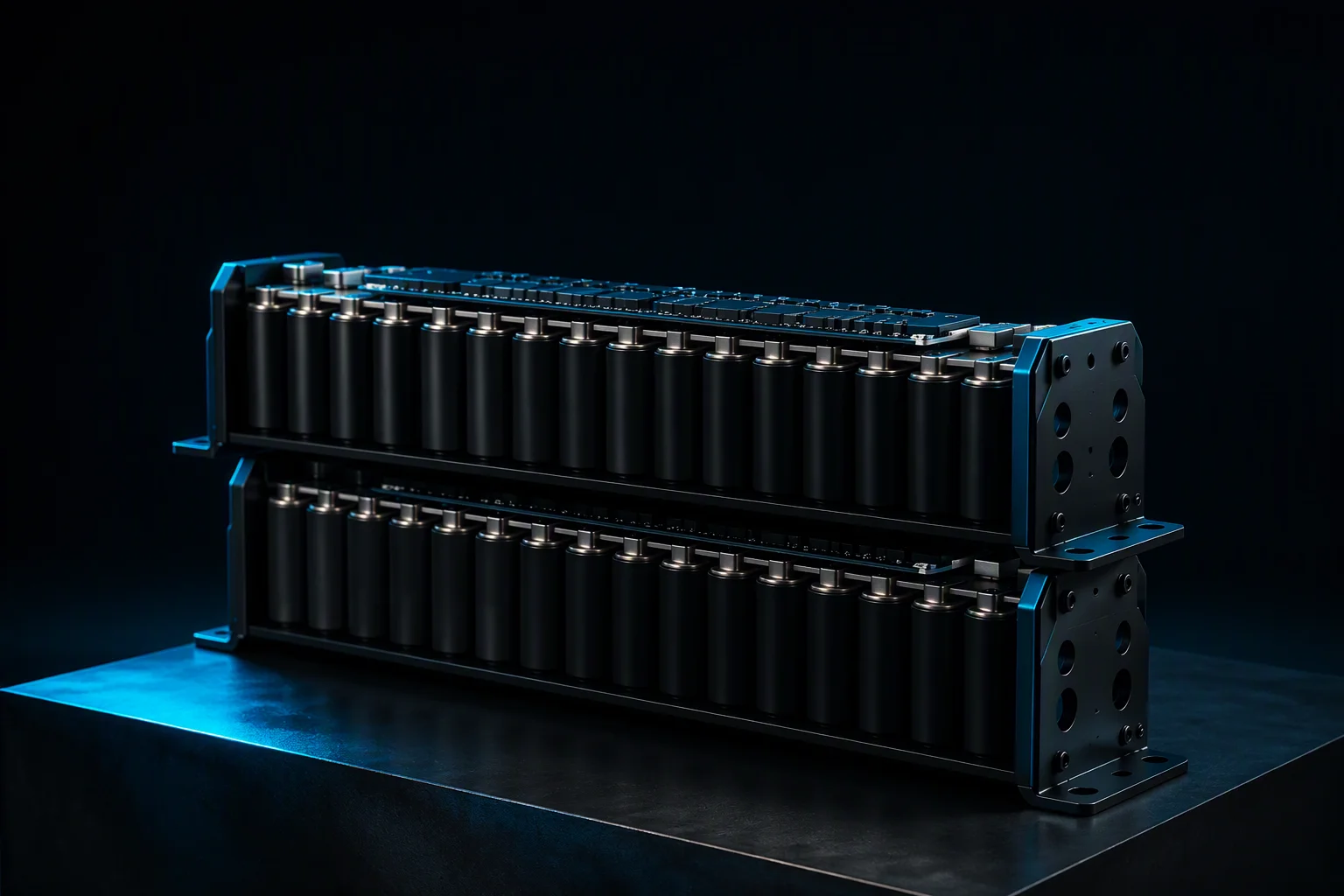
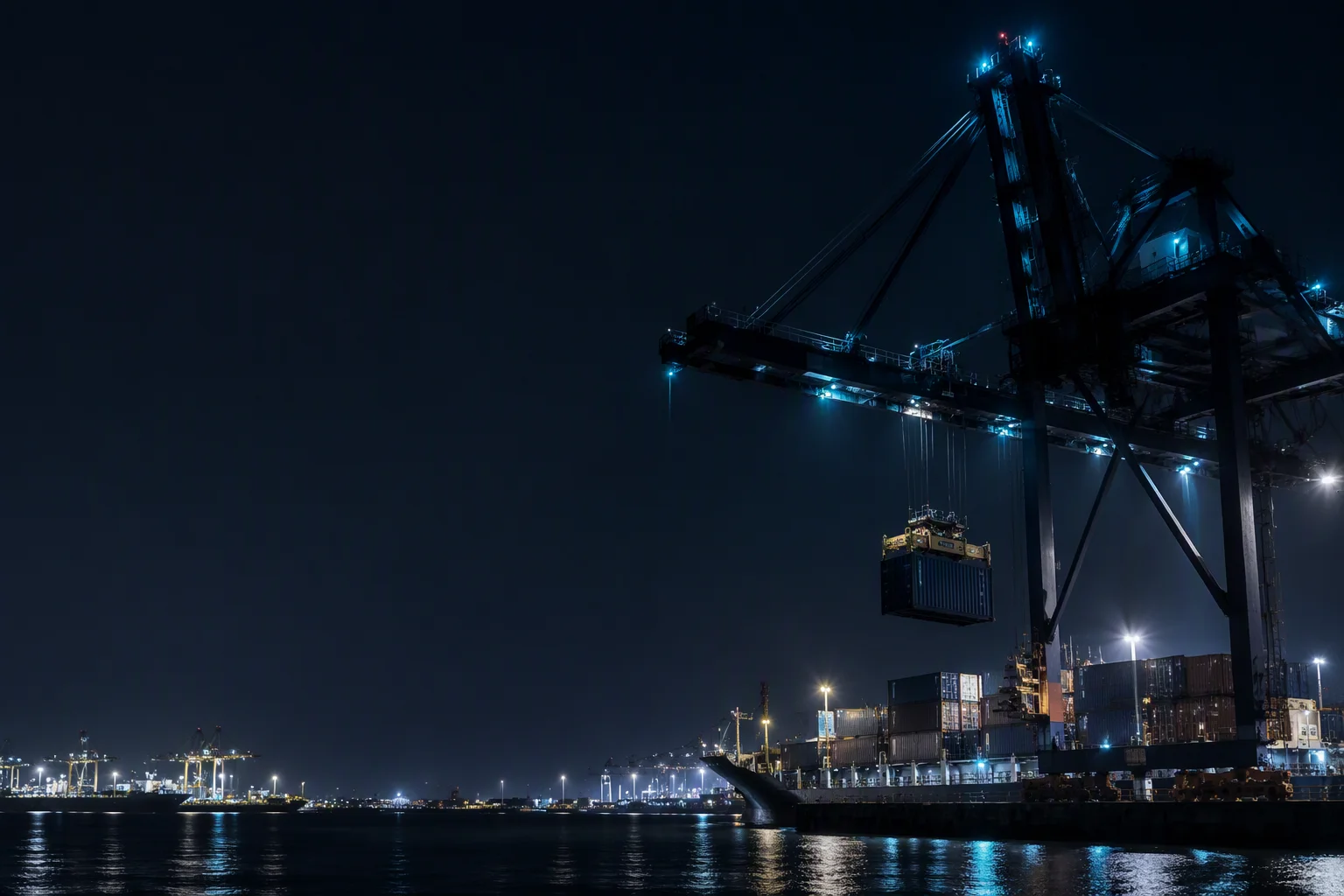
A lowering container is a generator: every cycle hands potential energy back to the bus, and a supercapacitor bank turns that return stroke into fuel savings and a flatter demand curve.
Terminal pain, quantified
Where the energy goes today
Crane electrification did not remove the energy problem — it moved it onto the drives. Regeneration, demand charges and genset idling are all time-domain problems, and time-domain problems are what capacitors solve.
| Loss channel | Number | What it costs |
|---|---|---|
| Potential-energy return | kW-class regeneration on every descent | Unmanaged, it trips drives or burns off in resistor banks — pure loss, every cycle |
| Demand peaks | Crane peaks set the terminal's tariff block | One bad synchronized lift window can price a whole month of demand charges |
| Diesel RTG burn | Gensets idle inefficiently between lifts | Hybridized fleets report double-digit diesel savings (industry estimates) because the genset finally runs at its sweet spot — or shuts off |
| Cycle duty | Thousands of lifts a day, 24/7 | Chemistry rated 1,000–5,000 cycles cannot hold the duty; 500k+ cycle class can |
| Charge acceptance | Regeneration lands within 1–50 ms | Batteries accept charge slowly; capacitors absorb the pulse at the instant it arrives |
| Terminal ambients | −40…+70 °C cell operating range | Quayside swings from winter nights to sun-heated steel must not change the bank's behavior |
The pattern repeats across every terminal we talk to: the drives are already regenerating, the meter is already recording peaks — the missing piece has always been storage fast enough to catch the energy and durable enough to catch it ten thousand times a week.
One bank, three paybacks
Catch the descent, cover the surge
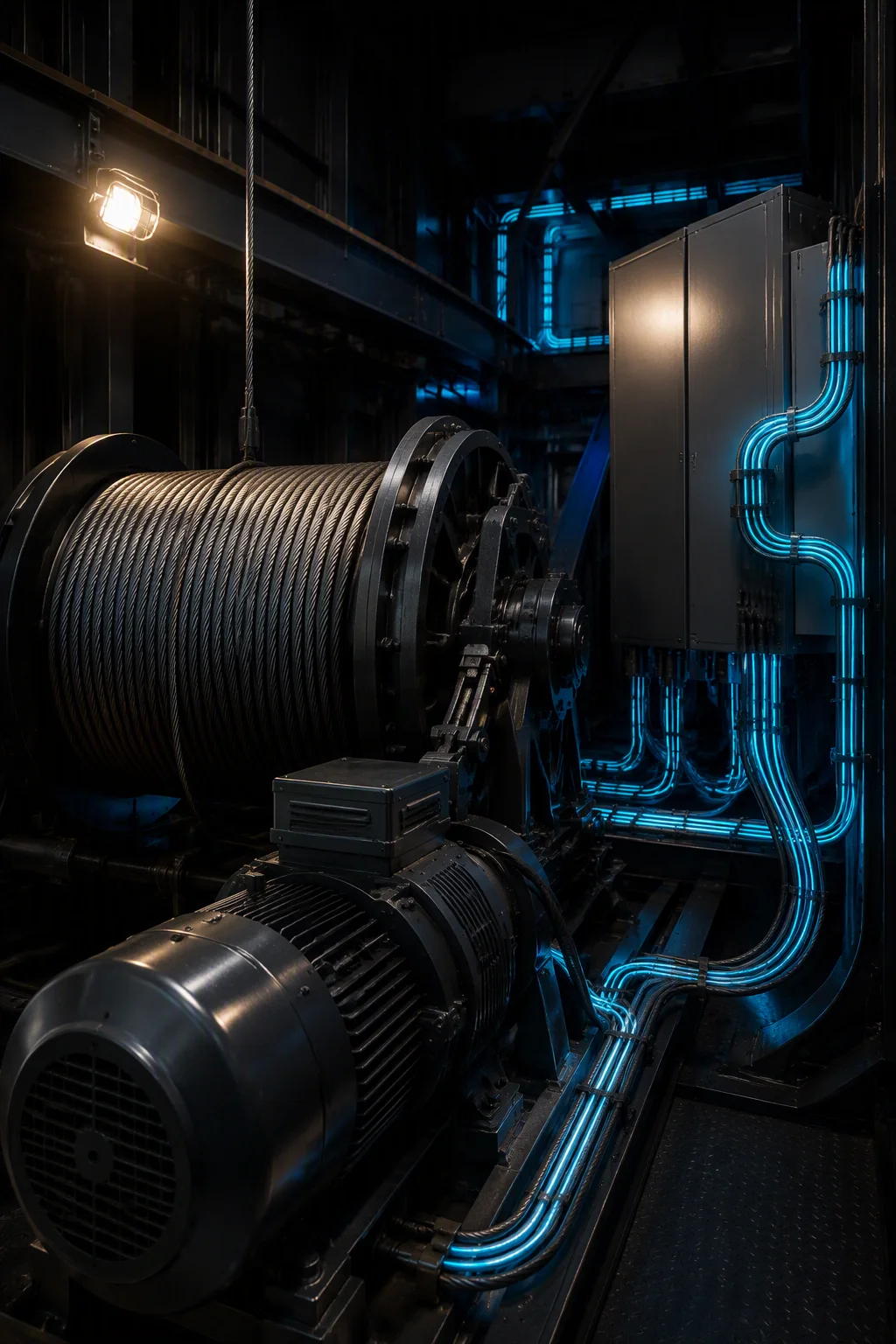
A supercapacitor bank across the crane DC bus does three jobs at once: it captures potential energy on every descent, supplies the surge on every hoist, and holds control power through voltage dips — so a sag never interrupts a container suspended over a ship.
LIC makes the economics land: roughly 10× the energy of same-size EDLC shrinks the machinery-house footprint, 3.8/4.0 V cells trim the series string count, and the 500k+ cycle class matches duty measured in lifts per hour for decades — with per-cell telemetry reporting bank health to the terminal's maintenance system.
Solution map
By crane type, by window
| Application | Duty window | Sizing note |
|---|---|---|
| RTG hybridization | 10–60 s lift cycles | Right-sizes the genset; between lifts the bank carries control and slewing with the engine off |
| Ship-to-shore peak buffer | Per-cycle kW spikes | Shaves the facility demand block that sets the terminal's tariff |
| Regeneration capture | 1–50 ms per descent | Bank absorbs what resistor banks used to burn, then returns it on the hoist |
| Quayside sag ride-through | 1 ms – 2 s | No dropped cycle on a grid dip; control power rides through unbroken |
| Cold-yard mornings | −40 °C starts | First shift moves without genset pre-heat or battery warm-up routines |

Start the conversation
Bring us one week of crane logs.
Lift counts, peak kW and genset hours in — a hybrid storage sketch with the fuel and demand-charge math comes back within 48 hours.