Industry · Smart Grid
Ride through the sag, shape the peak
A voltage sag that clears inside a second can idle a sensitive process far longer than it lasted — CapStack LIC modules close the gap in 1–50 ms and then go to work on the daily peak.
Grid-side pain, quantified
Seconds of sag, hours of consequence
Power quality events are short by definition — which is exactly why chemical batteries handle them badly. The duty is rare, deep and unforgiving on response time, and it repeats every tariff window.
| Event | Number | Consequence |
|---|---|---|
| Voltage sag ride-through | Dips clear in sub-second windows | Sensitive loads drop out in seconds; scrap, restart sequences and missed shipments carry the real cost |
| Generation ramp lag | 1–90 minutes to follow demand | Fast load steps must be buffered locally — the bulk system physically cannot chase them |
| Peak-valley spread | Peak demand sets tariffs and interconnect limits | A 5 MW supercapacitor BESS has run commercially since 2023, shaving peaks without burning battery life |
| Response requirement | 1–50 ms for LIC vs seconds for electrochemistry | Only capacitor-class storage lands inside the sub-cycle window a sag allows |
| Deep-sag bridging | Tens of seconds to minutes until genset pickup | Supercap bridge tiers hold the bus without the idle calendar aging that kills battery strings |
| Repeat cycling duty | Daily peak cycles; 500k+ cycle class for LIC | Batteries rated 1,000–5,000 cycles age out in a few years of daily peak work |
The commercial precedent matters as much as the physics: grid-scale supercapacitor plants are no longer pilot projects. A 5 MW system has been in commercial operation since 2023, and module-level building blocks are the same cells and strings used across CapStack's product lines.
Where modules sit
Two jobs: bridge the sag, flatten the peak
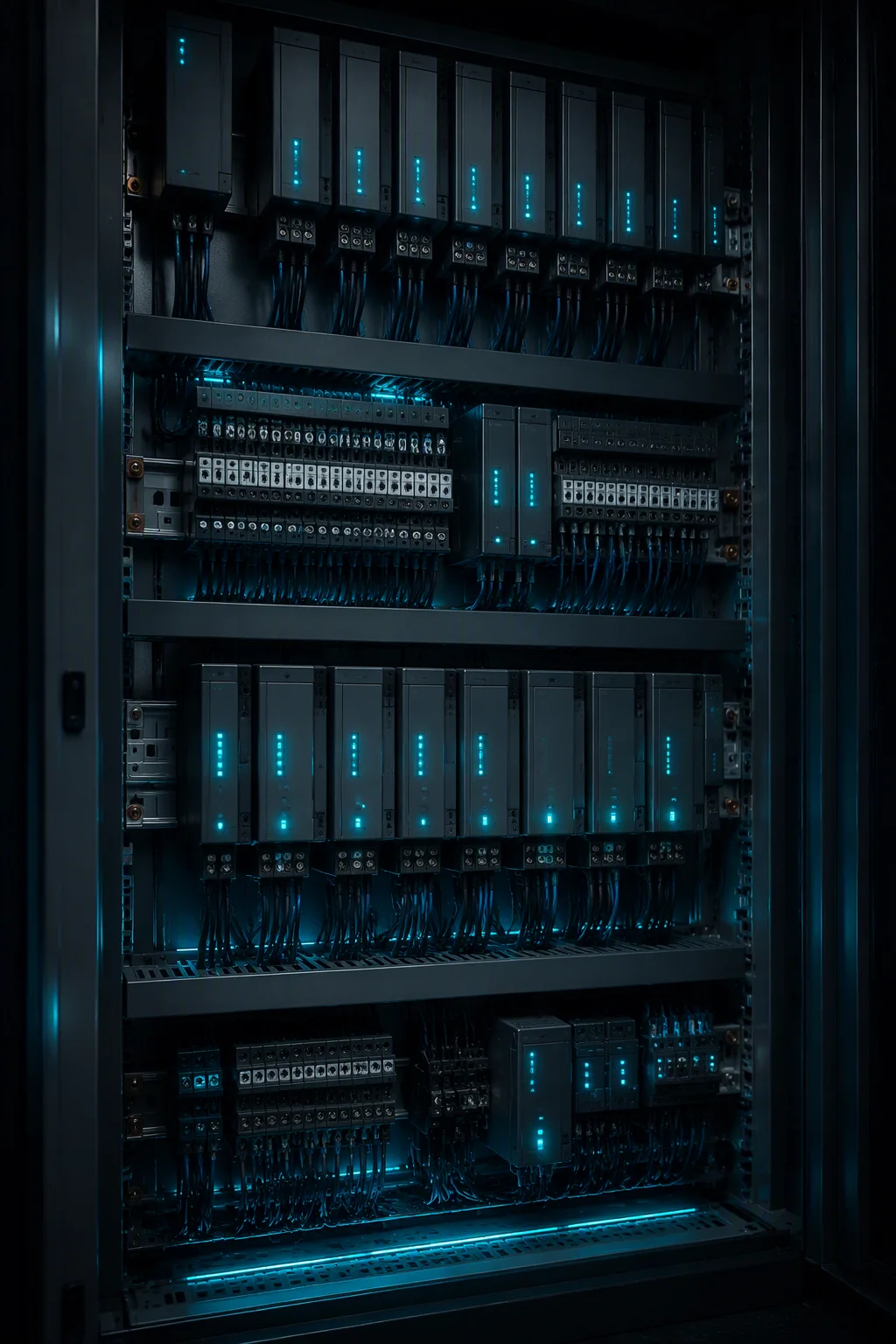
At the load, a supercapacitor ride-through module holds the DC bus through sub-cycle dips — no transfer time, no chemical delay, nothing for the process controller to notice. At the feeder, higher-voltage strings stack the same cells into peak-shaping service that cycles once or twice a day for decades.
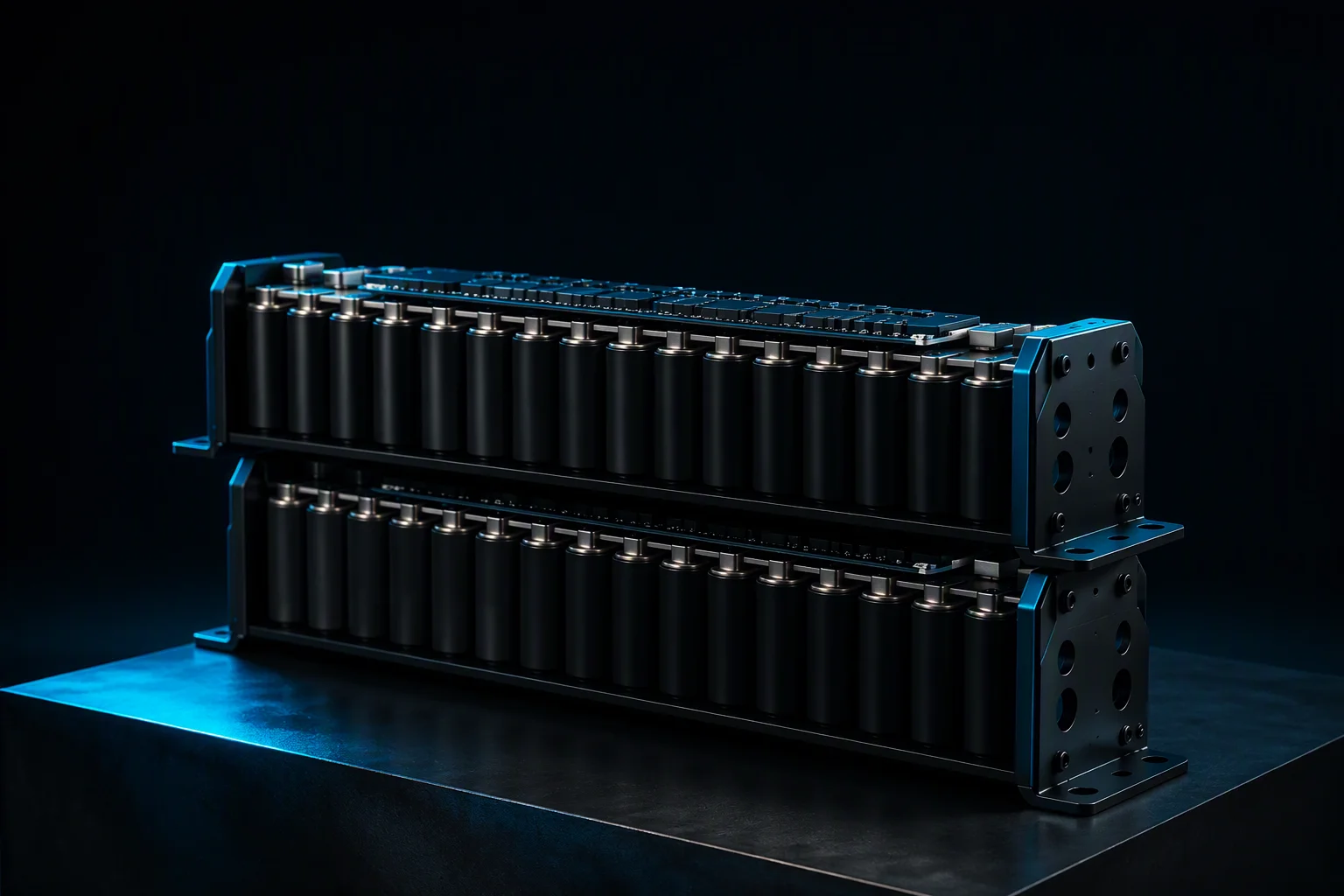
CapStack supplies that module tier: 12–24 V units for control and protection loads, and 125–182.4 V high-voltage modules that cascade toward 1000 V-class systems — CAN-monitored, fuse-protected busbars and active balancing for strings that idle most of the year yet must work the first time they are asked.
Solution map
Match the window, pick the string
| Application | Time window | Sizing note |
|---|---|---|
| Voltage-sag ride-through | 1 ms – 2 s | Hold-up energy equals load kW times the window; LIC answers in 1–50 ms with ESR down to the 0.47 mΩ class on large cells |
| Genset / UPS bridging | 10 s – 2 min | Replaces battery strings that sit idle for months yet must not fail on the first deep event |
| Peak shaping | 15-minute tariff intervals | Daily cycling suits the 500k+ cycle class; the 5 MW commercial precedent sets the architecture |
| Substation DC reserve | Minutes | Per-cell telemetry flags drift long before the event, with three-level alarms to SCADA |
| Power-quality filtering | Continuous | Low-ESR strings absorb flicker and notch transients without thermal penalty |

Start the conversation
Name your sag depth and peak tariff.
Send the event record and the load size — within 48 hours you get a hold-up calculation and a string design, not a catalog page.